Top 5 Reasons Why Inductive Proximity Sensors Fail (And How to Prevent It)
Built to Last, but Not Invincible
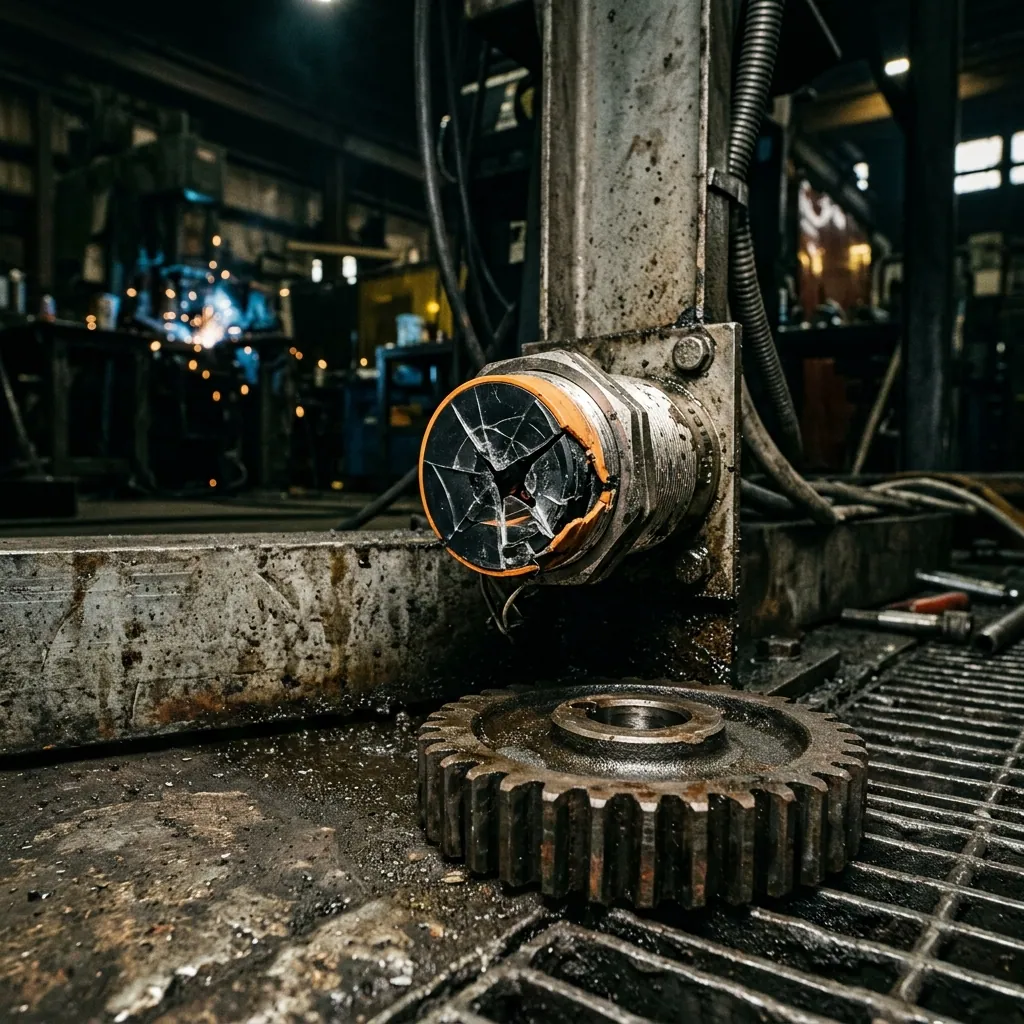
Inductive proximity sensors are the workhorses of industrial automation. Because they operate without physical contact, they generally boast incredibly long lifespans compared to mechanical limit switches. However, in harsh manufacturing environments, even the toughest sensors can fail.
Understanding *why* they fail is the first step to preventing costly downtime. Here are the top 5 reasons inductive sensors fail and how you can prevent them.
1. Physical Impact and Mechanical Damage
The Problem: The most common cause of sensor death is simply being smashed by the very target it's supposed to detect. If a heavy metal jig or machine part over-travels and strikes the sensing face, the internal ferrite core will shatter.
The Solution: Proper mounting is critical. Always ensure the target passes *across* the face of the sensor rather than *into* it. If head-on detection is necessary, install physical hard stops to prevent the target from ever touching the sensor face. For extreme impact zones, consider using sensors with thicker metal faces.
2. Electrical Surges and Over-Voltage
The Problem: Voltage spikes from large motors starting, variable frequency drives (VFDs), or poor grounding can send lethal electrical transients through the sensor's delicate circuitry, instantly frying it.
The Solution: Always verify that your power supply is clean and regulated. Sri Vaarii sensors come with built-in short circuit and reverse polarity protection, but for extreme environments with high electrical noise, consider adding external surge protectors or opto-isolators to your PLC inputs.
3. Extreme Temperatures
The Problem: Standard inductive sensors are rated for operation up to 70°C. If mounted too close to furnaces, welding zones, or hot injection molding dies, the internal potting compound can expand, cracking the housing or degrading the electronics.
The Solution: Monitor the ambient temperature of the mounting location. If the area regularly exceeds 70°C, you must specify high-temperature variants (which can operate up to 100°C or even 120°C).
4. Cable Flexing and Fatigue
The Problem: On robotic arms, moving gantries, or vibrating machinery, the sensor cable is constantly bending. Over time, the internal copper strands fatigue and break, causing intermittent signals or total failure.
The Solution: Use sensors with high-flex (robotic grade) cables for moving applications. Ensure cables are properly routed through cable tracks (drag chains) with the correct bend radius, and avoid pulling the cable taut at the point where it exits the sensor housing.
5. Chemical Degradation
The Problem: In CNC machining, the sensor is constantly bombarded with synthetic cutting fluids and coolants. Over time, harsh chemicals can eat away at the plastic sensing face, the cable jacket, or the internal epoxy potting.
The Solution: Verify the IP rating and material compatibility. For CNC applications, look for sensors with IP67 or IP68 ratings and housings resistant to aggressive oils and coolants.
Need Durable Sensors?
Sri Vaarii Automatiion designs sensors specifically for harsh Indian industrial conditions. With robust brass housings, high-quality potting, and rigorous testing, our sensors are built to survive. Contact us for application-specific recommendations.
Looking for reliable industrial solutions?
Explore our catalog of high-quality industrial components manufactured directly in Coimbatore, India.
View Product Catalogarrow_forward